
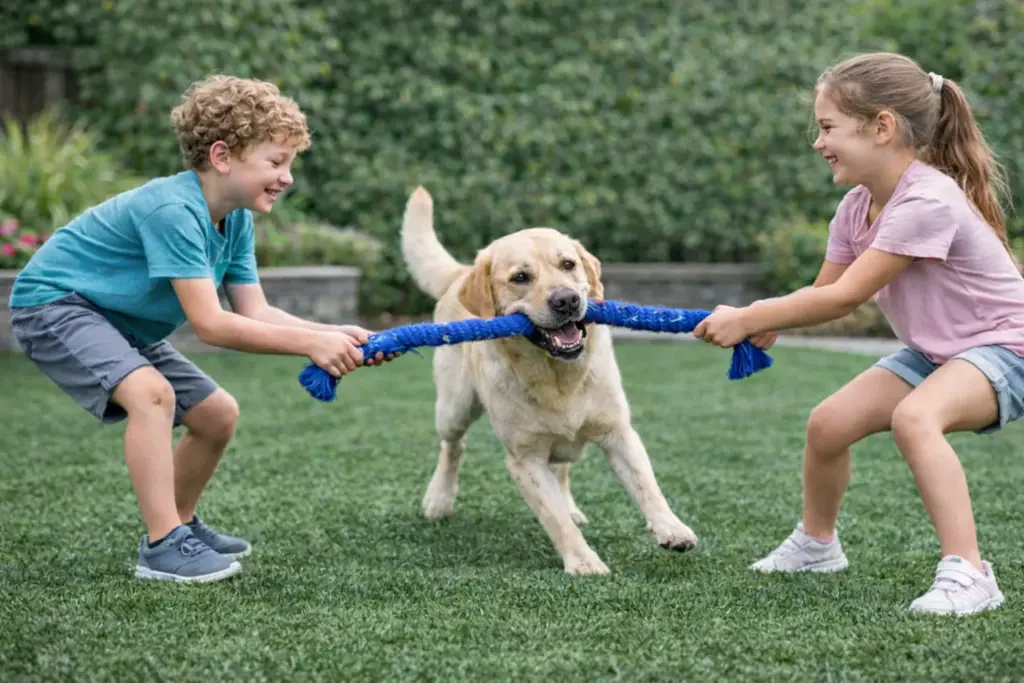
Artificial turf systems designed for pet environments can provide a durable, mud-free outdoor surface for dogs. However, the overall performance of a pet turf installation depends heavily on the infill materials used within the system, as well as installation design, drainage preparation, and maintenance practices.
When homeowners experience odour accumulation, elevated surface temperatures, or drainage concerns, the turf product itself is often assumed to be the cause. In most cases, however, these conditions arise from environmental factors, infill selection, and system design, rather than from defects in the artificial grass.
Two of the most commonly used infill materials in pet-focused artificial turf installations are silica sand and zeolite. Although these materials may appear similar visually, they behave very differently when exposed to pet urine, sunlight, and repeated dog activity.
Understanding the roles of these materials helps explain how pet turf systems function and how common issues can be prevented.
The Role of Infill in Artificial Turf Systems
Infill refers to the granular material that is brushed into the spaces between artificial turf fibers after installation. This layer plays several critical roles in the turf system.
Properly installed infill helps:
- Maintain upright turf blade orientation
- Provide ballast that stabilizes the turf backing
- Support consistent drainage pathways
- Reduce surface movement during pet activity
- Influence odour control in pet environments
Without appropriate infill materials and distribution, artificial turf surfaces may experience blade flattening, localized odour accumulation, or slower drainage performance. These outcomes typically reflect system design conditions rather than problems with the turf fibers themselves.
Historically, artificial turf installations across landscaping and sports applications have relied heavily on sand infill for structural stability and drainage performance.
Silica Sand Infill: The Structural Foundation of Artificial Turf
Silica sand is one of the most widely used infill materials in artificial grass installations due to its durability, density, and cost efficiency.
Structural Function of Silica Sand
Silica sand consists primarily of quartz particles that settle between turf fibers and provide ballast to the turf system. Once installed, the sand layer helps:
- Support turf fibers so they remain upright
- Prevent wrinkling or shifting of the turf backing
- Maintain permeability for water and liquid drainage
Because sand particles are relatively heavy and resistant to degradation, they perform particularly well in high-traffic areas, including residential yards where dogs frequently run and play.
Performance of Silica Sand in Pet Turf Environments
Although silica sand performs well structurally, pet environments introduce additional variables that affect system performance.
Drainage Performance
Silica sand promotes vertical movement of liquids through the turf surface. When properly installed over a well-prepared base layer, urine and rinse water can pass through the turf backing and into the drainage base below.
Effective drainage therefore depends heavily on:
- Base layer preparation
- Subsurface drainage design
- Adequate rinsing and maintenance
Without proper drainage infrastructure, liquids may accumulate within the infill layer.
Odour Management
Silica sand itself does not chemically neutralize ammonia compounds present in pet urine. Instead, odour control relies primarily on:
- Adequate drainage
- Periodic rinsing of the turf surface
- Environmental airflow
If dogs repeatedly urinate in the same location without periodic rinsing, ammonia compounds may accumulate within the infill layer, leading to noticeable odours.
Surface Heat
Artificial turf surfaces can become significantly warmer than natural grass when exposed to direct sunlight. Research conducted by the Penn State Center for Sports Surface Research has documented turf temperatures exceeding 90°C (194°F) under certain environmental conditions.
Reference:
https://plantscience.psu.edu/research/centers/ssrc/documents/temperature-irrigation.pdf
Surface temperature is influenced primarily by:
- Solar exposure
- Airflow
- Surrounding hardscape materials
- Moisture levels
Therefore, surface heat is not determined solely by the infill material used.
Veterinary guidance similarly warns that many outdoor surfaces—including asphalt, sand, and synthetic materials—can become hot enough to cause discomfort or burns to pet paws under extreme temperatures.
Zeolite Infill: A Material Designed for Odour Control
Zeolite is a naturally occurring volcanic mineral characterized by a highly porous crystal structure. Its chemical properties allow it to capture ammonium ions, which are largely responsible for the odour associated with pet urine.
For this reason, zeolite has long been used in applications such as:
- Wastewater treatment
- Livestock bedding systems
- Ammonia filtration systems
How Zeolite Functions in Pet Turf Systems
Porous Mineral Structure
Zeolite contains microscopic cavities and channels that create an exceptionally large internal surface area. These pores allow the material to absorb moisture and interact with dissolved compounds present in liquids.
Ammonia Capture Through Cation Exchange
The crystal framework of zeolite carries a naturally negative charge. This allows the mineral to attract positively charged ions such as ammonium (NH₄⁺).
When pet urine enters the turf system, ammonium ions can bind to zeolite particles through cation-exchange processes, reducing the release of ammonia gas and limiting odour formation.
Scientific literature has widely documented this cation-exchange capability as the mechanism responsible for zeolite’s odour-control properties.
Moisture Retention and Temporary Cooling
Because zeolite can retain water within its pores, it can provide a modest evaporative cooling effect when the turf surface is rinsed.
However, this cooling effect is temporary and depends on the presence of moisture. As with all artificial turf systems, surface temperature remains largely governed by sunlight exposure and surrounding environmental conditions.
Safety Considerations for Pet Turf Infill
Homeowners frequently ask whether infill materials are safe for dogs.
Silica Sand
Concerns regarding silica typically relate to respirable crystalline silica dust, which can cause respiratory illness when inhaled in high concentrations in industrial environments.
Occupational health agencies such as the CDC and OSHA regulate silica dust exposure in workplaces where airborne particles are present.
In artificial turf systems, however, silica sand is typically washed and contained within the turf fibers, significantly reducing airborne exposure once the installation is complete.
Zeolite
Zeolite minerals have been widely studied and are generally considered safe in environmental and agricultural applications. They are commonly used in livestock environments and filtration systems.
As with most granular materials, dust exposure during handling should be minimized during installation.
Paw Safety
Most paw injuries associated with outdoor surfaces are caused by heat exposure or abrasive surfaces, rather than by the chemical composition of infill materials.
Providing shade, rinsing surfaces during hot weather, and maintaining proper turf conditions can help reduce these risks.
Cost, Maintenance, and Longevity
Silica Sand
Advantages:
- Lower material cost
- Excellent structural stability
- Long lifespan within the turf system
Limitations:
- Limited odour control in high-use pet areas
- Requires periodic rinsing in dog activity zones
Zeolite
Advantages:
- Effective ammonia odour reduction
- Designed for pet-specific applications
Limitations:
- Higher material cost
- May require replenishment over time as its adsorption capacity becomes saturated
In yards with multiple dogs or heavy pet activity, odour-control infill materials such as zeolite can improve long-term user satisfaction.
A Combined Infill Approach
Many professional pet turf installations use a blended or layered infill system combining silica sand and zeolite.
This approach offers several advantages:
- Structural stability from silica sand
- Odour mitigation from zeolite
- Reliable drainage performance
- Increased durability of the turf system
By combining both materials, installers can tailor the turf system to the specific demands of pet environments.
Final Perspective
When odour, heat, or drainage concerns arise in artificial turf used by dogs, the underlying cause is typically environmental conditions, installation design, or infill selection, rather than a defect in the turf product itself.
Silica sand provides the structural support that stabilizes turf systems, while zeolite contributes odour-control properties particularly useful in pet-heavy environments.
Understanding how these materials function within the broader turf system allows homeowners to make informed installation and maintenance decisions, helping ensure that artificial grass surfaces remain clean, stable, and comfortable for both pets and people.