Artificial Turf Installation Process: What to Expect
A good-looking artificial lawn starts well before the turf is rolled out. The artificial turf installation process depends on careful planning, solid ground preparation and a properly built base. Those early steps affect how the finished surface drains, sits and performs over time.
Premium Grass Blades supplies artificial turf and installation accessories, but does not install turf. PGB can refer customers to an independent installer who contracts with the customer directly. 02 PGB Writer Reference (upload…
If you are planning a project, here is a practical look at what happens from the first measurements to the final brushing.
1. Plan the Artificial Turf Installation Process First
Before anyone starts moving soil, take a close look at the site.
Measure the area and note anything that will affect the work: patios, garden beds, fences, gates, trees, steps, drains, irrigation and changes in grade. Think about how water currently moves across the property and where it needs to go once the turf is in place.
This is also the time to decide how the area will be used. A family lawn, dog run, side yard and putting area can have different requirements for turf selection, drainage and infill.
If digging is part of the project, contact BC 1 Call before work begins. Wear appropriate protective gear and follow PGB product instructions and installation guidelines throughout the project.
Planning may not be the most visible part of the job, but fixing a problem on paper is much easier than fixing it after several rolls of turf are already on the ground.
2. Prepare the Ground and Build the Base
Once the layout is settled, attention moves below the turf.
Existing grass, loose organic material and other unsuitable material need to be dealt with so the new surface is built on a stable foundation. The exact preparation will depend on the existing site conditions.
Next comes the base.
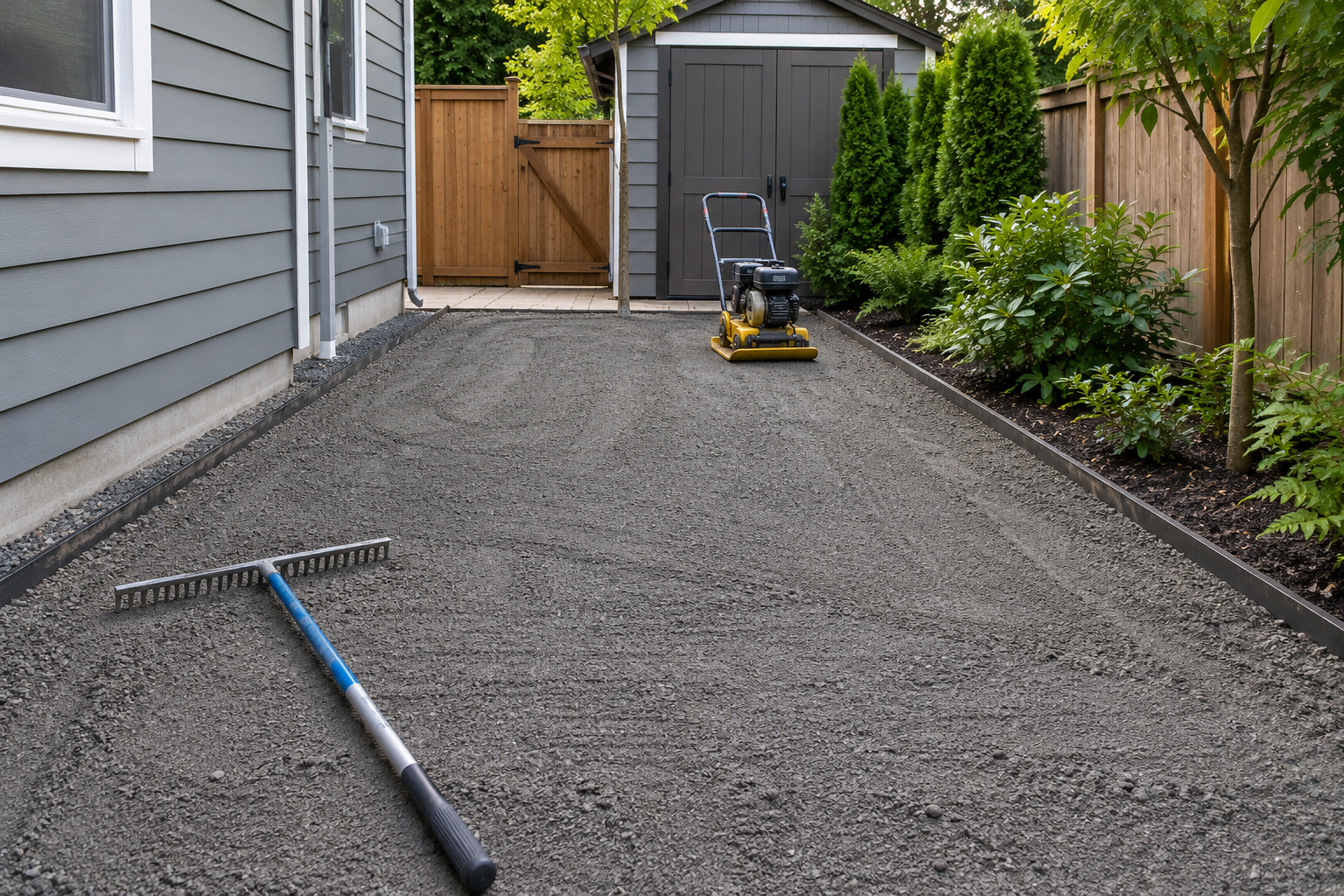
The base has several jobs. It helps create a firm, even surface, supports drainage and provides the foundation beneath the turf. Material selection, grading and compaction all matter here.
This is one part of the project where shortcuts tend to show themselves later. A surface can look tidy on the day the turf goes down while problems underneath are still developing.
Follow the PGB installation guidelines for base preparation rather than relying on a generic rule for every property. PGB’s warranty terms also matter here. Installs that do not follow PGB guidelines, poor sub-base conditions and turf that is not infilled to the advised amount may not be covered by the PGB Limited 15-Year Product Warranty. 02 PGB Writer Reference (upload…
For more detail on this stage, PGB’s guide to why base preparation is the most critical step in turf installation explains why the work underneath deserves as much attention as the turf itself.
3. Check Grade and Drainage Before Turf Goes Down
Artificial turf does not fix a drainage problem simply by covering it.
Before the turf is laid, the prepared area should be checked for grade, low spots and drainage concerns. The goal is to manage water appropriately for the specific site rather than trap it beneath the finished surface.
Conditions vary from one BC property to another. A flat backyard with heavy seasonal rain presents different challenges from a small side yard or an elevated deck.
If drainage conditions are complicated, this is a good point to involve an experienced independent installer or another appropriate professional. It is easier to correct the underlying problem while the base is exposed.
4. Lay Out, Cut and Join the Turf
With the base prepared, the turf can be positioned.
Artificial turf comes in rolls, so layout matters. The pieces need to be planned to make sensible use of material while accounting for the direction of the fibres and the shape of the yard.
The turf is positioned before final trimming so there is room to make accurate cuts around edges and fixed features. Cutting is careful work. Taking off too much material is considerably harder to fix than taking off a little more later.
Projects requiring more than one piece of turf also need properly planned seams. The adjoining pieces should line up cleanly without crowding each other or leaving an obvious gap.
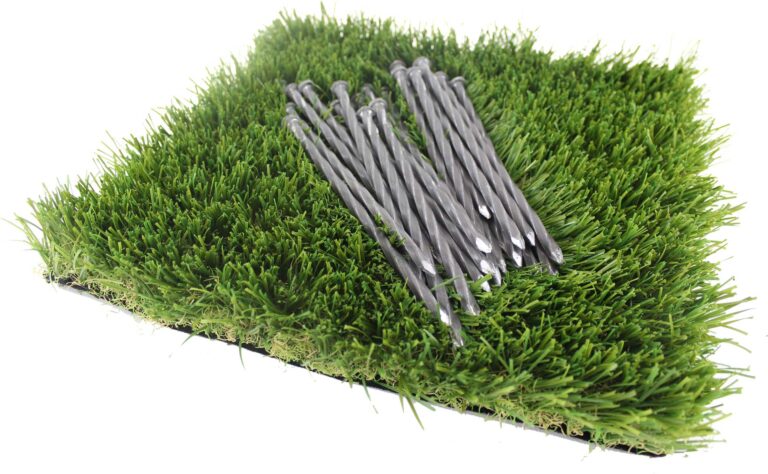
PGB supplies installation accessories including seaming tape, nails and stakes, landscape staples, weed barrier and turf broom rakes. 02 PGB Writer Reference (upload… Follow the applicable PGB guidelines and product instructions for the project rather than treating every site the same way.
5. Secure the Surface and Add the Advised Infill
Once the turf is positioned and the seams are complete, the surface can be secured according to the PGB installation guidelines and the requirements of the site.
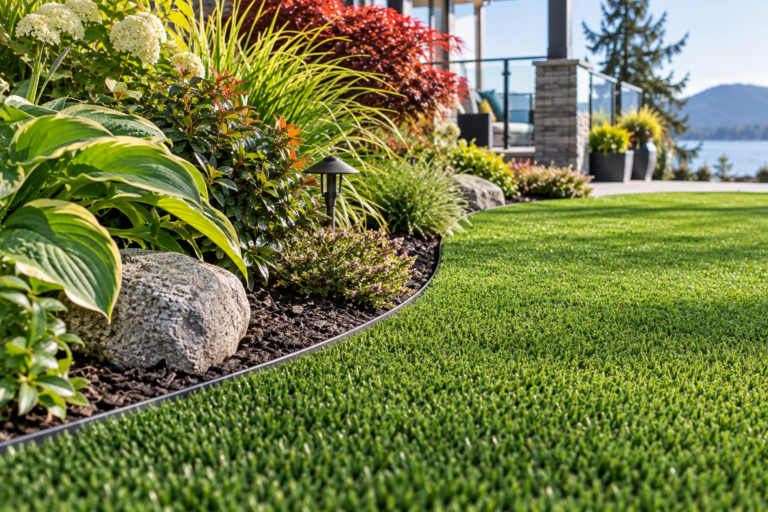
Edges deserve careful attention. They help define the finished lawn and can affect how tidy the project looks around patios, paths, garden beds and other borders.
Infill comes next where specified.
Infill settles among the turf fibres and is part of the complete turf system. PGB carries silica sand and zeolite pet deodorizing infill. 02 PGB Writer Reference (upload… The appropriate product and amount depend on the turf and its intended use, so follow PGB’s current guidance rather than guessing.
This is also important for warranty coverage. Turf that is not infilled to the advised amount may not be covered under the PGB Limited 15-Year Product Warranty. 02 PGB Writer Reference (upload…
After infill is distributed, brushing helps work the material into the turf and bring the fibres into position.
6. DIY or Work With an Independent Installer
Some homeowners prefer to handle their own turf project. Others would rather have an experienced contractor manage the site preparation, cutting, seams and finishing work.
Either route can start with PGB.
For DIY projects, follow the PGB installation guidelines and the instructions for the turf and accessories being used. Careful measuring and planning before cutting can save considerable trouble later.
If you would rather hire someone, PGB can refer you to an independent installer in your area. That installer is not part of PGB. The installer will assess the job, provide their own scope and pricing, and contract with you directly. This keeps the roles clear: PGB supplies turf and related products, while the independent installer is responsible for the installation work.
7. Regular Care After Installation
Once the project is finished, artificial turf is low maintenance, not maintenance-free.
There is no mowing, and the turf itself does not need fertilizer or watering. It still benefits from regular attention.
Remove leaves and other debris before they build up. Brush fibres when traffic leaves areas looking flattened. Rinse when needed, particularly in pet areas, and deal with spills according to the appropriate cleaning product instructions.
It is also useful to occasionally look over seams, edges, drainage areas and heavily travelled paths. Catching a small change early gives you a chance to address it before it becomes a larger issue.
One more item belongs on the homeowner checklist: reflected sunlight from windows can damage synthetic turf. Direct or reflected heat over 65°C is excluded from the PGB Limited 15-Year Product Warranty. 02 PGB Writer Reference (upload… If concentrated window reflection reaches the turf, address the source rather than waiting for visible heat damage.
A well-planned project followed by regular care gives the turf the conditions it needs for long-term outdoor use.
FAQ
Does Premium Grass Blades install artificial turf?
No. PGB supplies artificial turf and related products. PGB can refer you to an independent installer, who contracts with you directly. 02 PGB Writer Reference (upload…
Can I install artificial turf myself?
A DIY project is possible for homeowners prepared to handle the measuring, ground preparation, base work, cutting, seaming and finishing involved. Follow PGB installation guidelines and product instructions, contact BC 1 Call before digging and use appropriate protective gear.
Why does the base matter so much?
The base provides the prepared foundation beneath the turf. Proper grading, material preparation and compaction help support the finished surface and drainage. Site conditions should determine how the base is approached.
Is artificial turf maintenance-free after installation?
No. Artificial turf is low maintenance. Occasional brushing, rinsing and debris removal are still part of regular care. 02 PGB Writer Reference (upload…
Thinking about a turf project and prefer to have someone handle the installation work? Ask PGB for a referral to an independent installer in your area.