Moss in Lawn BC: Why a Wet Fall Exposes the Problem
There is a particular moment in a coastal BC autumn when a lawn stops pretending. September may leave it looking respectable. Then the rain settles in, daylight shortens, the dog discovers the same shortcut across the yard six times a day, and one corner becomes something between a lawn and chocolate pudding.
For homeowners dealing with moss in lawn BC conditions, wet fall weather can be surprisingly informative. It shows where grass is thin, where water lingers, where shade matters and where foot traffic is winning. Grass has requirements, and some BC yards are rather stingy about providing them.
Wet Fall Is a Lawn Stress Test
A natural lawn is a collection of living plants. That sounds obvious until the plants begin behaving like plants.
Grass needs enough light, suitable soil, air around the roots, nutrients and water that can drain away. In a bright, well-drained yard, those needs may be manageable. In a shaded side yard built over dense soil, the arrangement can become less cooperative.
Autumn makes weak spots easier to see. Rain keeps soil damp. Lower light slows growth. Regular walking compresses wet ground. Dogs favour familiar routes, gates and bathroom areas, which concentrates wear in places already having a difficult time.
Once turfgrass thins, exposed soil gets worked by paws and shoes. The next trip indoors arrives attached to the dog.
Moss in Lawn BC: Why It Likes Shade and Clay
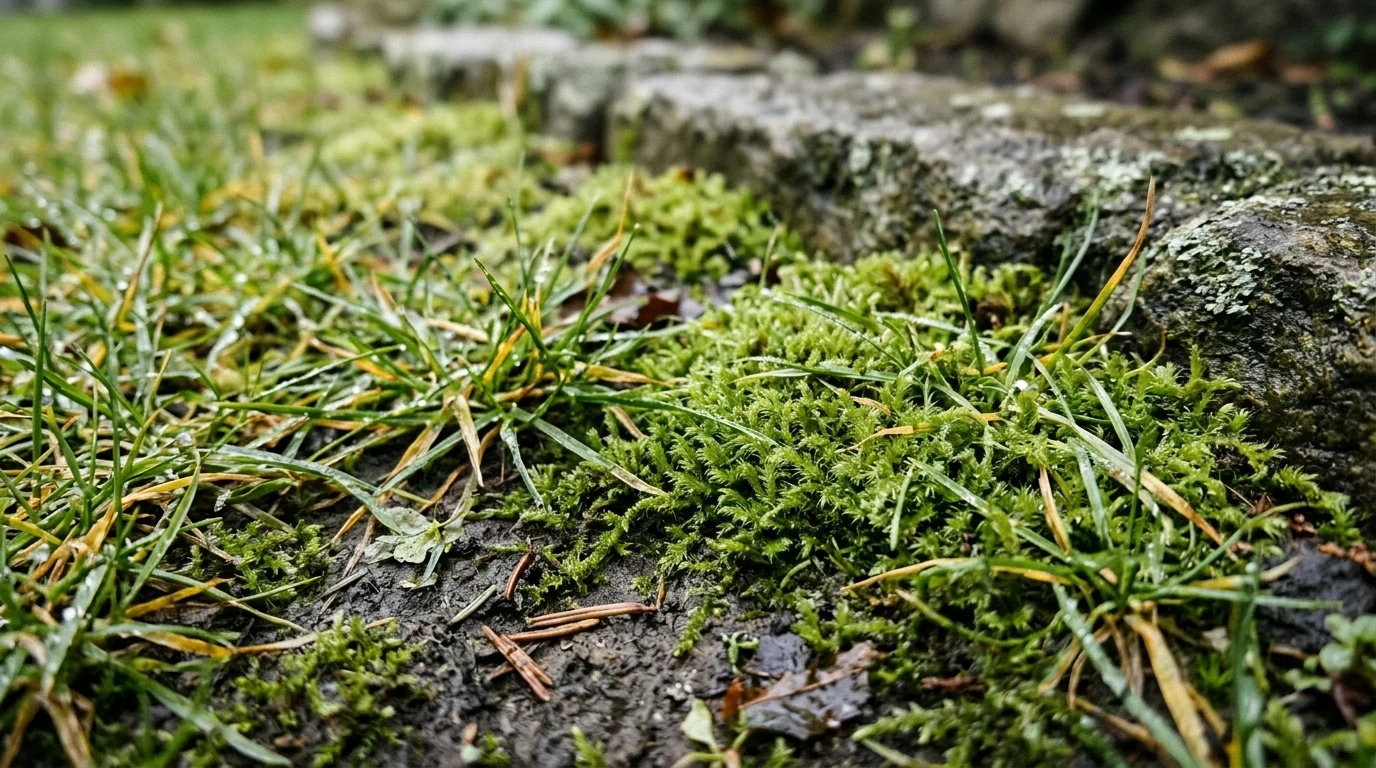
Moss often gets blamed as though it marched in and removed the grass overnight. More often, it occupies places where grass has already lost the argument.
Shade is one reason. Grass generally weakens when it does not receive enough light. Persistent moisture is another. Poorly drained or compacted soil can stay wet and short on the air roots need. Dense clay soil can make drainage slower, particularly when it is compacted.
Moss has no true roots like grass does. It can live on surfaces where turfgrass struggles, giving it the irritating appearance of being extremely pleased with conditions everyone else dislikes.
Removing moss without changing the conditions that favoured it may leave the same opening for it to return. The bigger issue is usually light, drainage, soil condition, traffic, or some combination of them.
What a Natural Lawn Needs From You
A natural lawn can be satisfying. It is living ground cover, it changes with the seasons, and some homeowners enjoy caring for it.
That care is the trade. Depending on the site, a struggling lawn may need drainage work, soil improvement, aeration, overseeding, feeding, mowing and attention to shade. High-traffic routes may need time to recover. Wet areas may need the underlying drainage issue addressed rather than another hopeful scattering of seed.
There is also a limit to what maintenance can fix. If a narrow side yard gets little useful light and is crossed constantly by people or pets, the site itself may be the problem. There are only so many Saturdays a person can spend persuading grass to enjoy circumstances it clearly regards as unreasonable.
For a broader comparison, see PGB’s guide to artificial turf vs. real grass.
What Artificial Turf Needs Instead
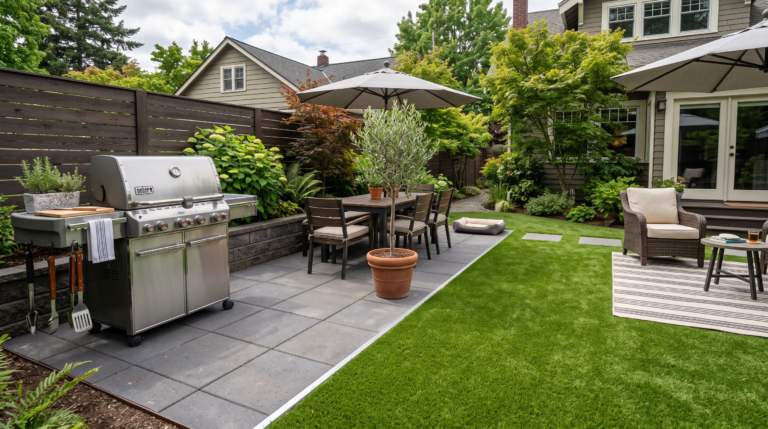
Artificial turf removes the needs of a living lawn. It does not need watering, mowing or fertilizer, and it does not depend on sunlight to grow. That can make it useful where natural grass repeatedly thins or turns muddy.
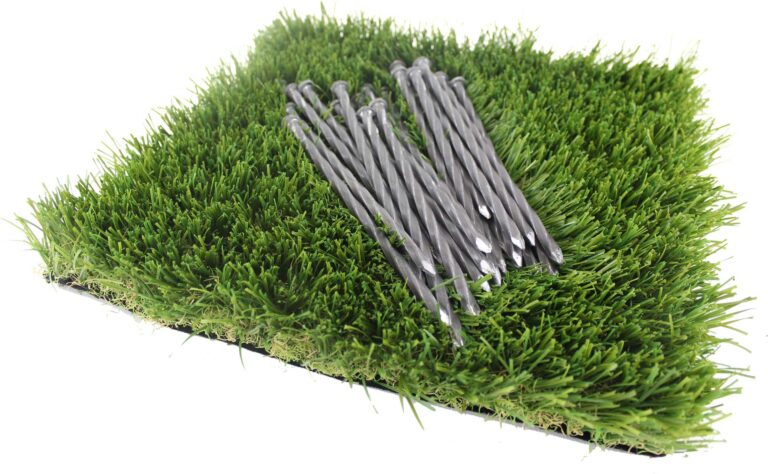
It has different requirements. The area needs suitable grading, drainage and a properly prepared, compacted base. The turf needs to be secured and infilled according to the product and PGB guidelines. Occasional brushing, rinsing and debris removal are still part of ownership.
Artificial turf avoids lawn biology, but it does not avoid physics. Water still needs somewhere to go. A poor base does not become clever simply because green fibres have been placed above it.
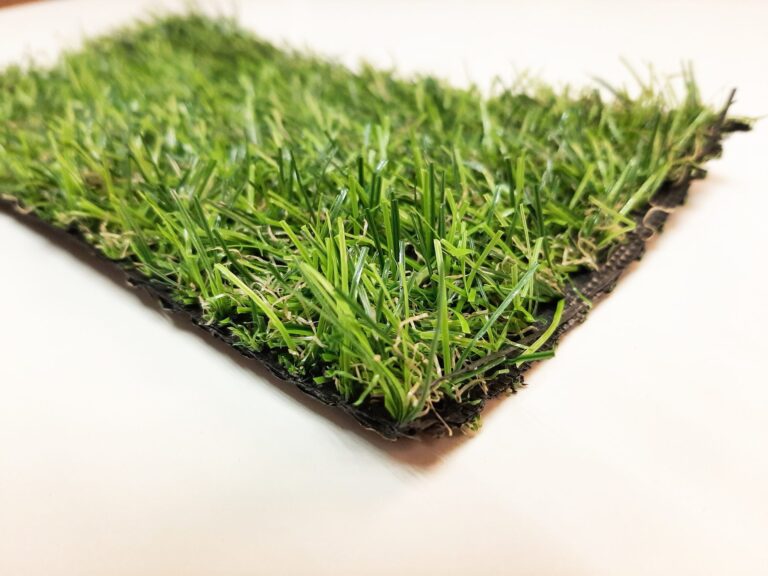
PGB supplies an artificial turf range for homeowners and contractors. Customers can compare the look and feel of lawn-style options before choosing a product for the space and intended use. PGB does not install turf, but it can refer customers to an independent installer who contracts with the customer directly.
The Trade-Offs Deserve a Proper Look
Artificial turf can address a recurring mud-and-moss problem, but it is not a magic carpet.
The first trade-off is upfront cost. A proper project can include turf, base preparation, drainage work, edging, infill and contractor labour. That is a different expense from seeding a bare patch. It makes more sense to compare the full project with the repeated work your particular lawn may need over time.
Summer heat is the second. Turf warms up in direct sun. Add shade where practical, rinse on hot days and check the surface temperature before use, especially for children and pets.
Reflected sunlight matters too. Sunlight reflected from windows can damage synthetic turf. If a proposed turf area sits beside highly reflective glazing, discuss that condition before the project moves ahead.
Artificial turf is low maintenance, but it still needs some care. Leaves still land on it, dogs still use it, and dirt still arrives by methods science has not yet fully explained.
Next Steps After a Wet Fall
Before replacing a lawn, spend a rainy week observing it.
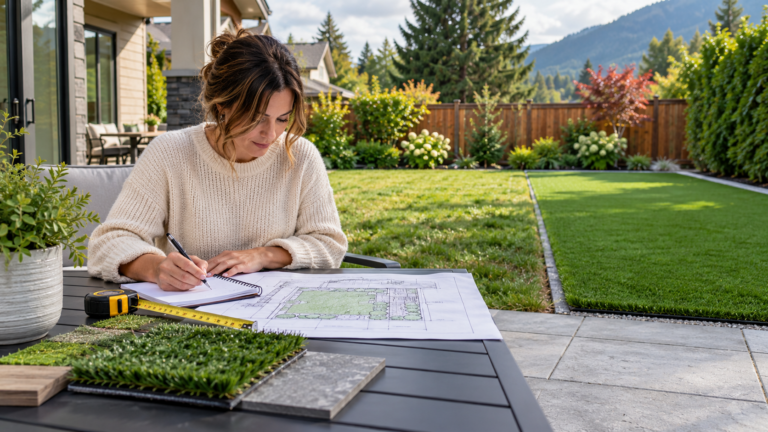
Notice where water sits and where the ground stays soft longest. Look at the routes people and pets actually use. Pay attention to shade from buildings, fences and trees. Take photos after rain. Those details are useful when discussing drainage, base preparation and product choice.
Then decide what problem you are trying to solve. If the lawn is healthy except for one compacted corner, repairing that corner may be sensible. If you repeatedly deal with shade, mud and worn paths in the same places, artificial turf may deserve a closer look.
Bring measurements and photos when you compare options. The goal is to choose a surface that suits how the yard actually behaves.
FAQ
Does moss mean my lawn has bad soil?
Not necessarily. Moss can be associated with shade, persistent moisture, compaction and soil conditions that do not favour vigorous grass. Treat it as a clue rather than a diagnosis.
Will artificial turf fix a drainage problem?
The turf surface alone will not correct poor drainage underneath. Proper grading, drainage planning and base preparation still matter. If water already collects in the area, make that part of the project discussion from the beginning.
Is artificial turf easier with dogs in wet weather?
It can reduce the exposed soil that turns into mud where natural grass wears thin. Pet areas still need routine cleaning and care, and drainage remains important.
A wet fall is useful because it removes some guesswork. You can see the puddles, worn routes and places where grass has quietly surrendered. If those trouble spots keep returning, see and feel turf samples at the Premium Grass Blades Maple Ridge showroom and compare options for your yard.