
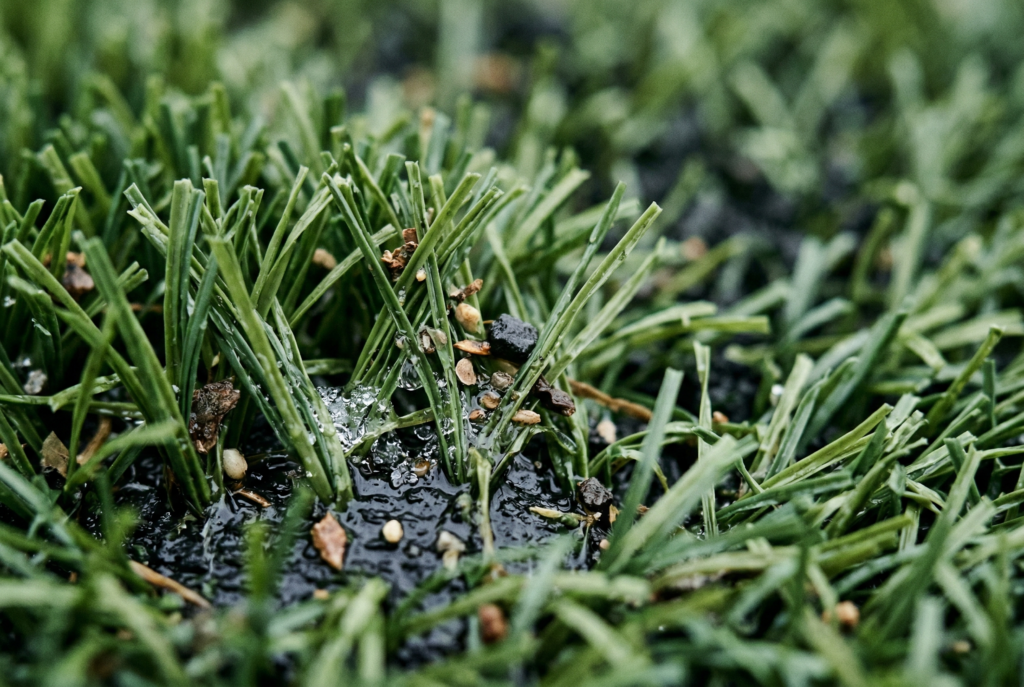
Can Artificial Turf Melt in Extreme Heat? Updated Research and Recommendations
Context: heat exposure, microclimate research and why installation protocol matters
Yes, can artificial turf melt is a fair question, especially after a stretch of hot BC weather.
Artificial turf warms up in direct sun, just as decks, paving stones and other outdoor surfaces do. But ordinary sunshine is only part of the heat picture. Certain conditions can concentrate or transfer enough heat to damage synthetic fibres.
One of the biggest things to check is surprisingly easy to overlook: sunlight reflected from windows.
A little planning around windows, hard surfaces, grills and shade can help you manage heat around a turf area. Here is what to look for before and after the turf goes down.
Can Artificial Turf Melt From Sunlight?
Artificial turf is built for long-term outdoor use, but that does not mean it is unaffected by intense heat.
On a sunny day, the surface will warm up. That is normal. The more important concern is concentrated or transferred heat, which can create much hotter spots in a relatively small area.
The PGB Limited 15-Year Product Warranty excludes damage caused by direct or reflected heat over 65°C. 02 PGB Writer Reference (upload…
That 65°C figure is a warranty condition, not a target temperature for everyday use. You do not need to stand in the yard with a thermometer every afternoon. Instead, pay attention to potential heat sources around the turf and deal with them before they become a problem.
Check Low-E Windows for Reflected Sunlight
Low-E windows are designed to manage heat transfer through glass. Under certain conditions, however, reflected sunlight can become concentrated on an outdoor surface.
Think of the reflection as a moving patch of intense light. As the sun changes position through the day and season, that patch may cross a section of artificial turf.
If enough heat is concentrated in one place, the turf fibres can be damaged.
This is easy to miss during project planning because the problem may not be visible when you first inspect the yard. A window that causes no concern at 9 a.m. might throw a strong reflection across the lawn later in the afternoon.
Before putting turf near large windows, watch the area on clear, sunny days. Check it at different times rather than making one quick inspection.
Look for bright, concentrated reflections hitting the planned turf area. Pay particular attention to windows facing areas that receive strong direct sunlight.
If reflected heat is a concern, possible solutions may include exterior shade, screens, awnings, suitable window treatments or planting that blocks the reflection. The right option depends on the building and window system, so follow the window manufacturer’s guidance where applicable.
Keep Grills and Other Heat Sources Away From Turf
Windows are not the only source of concentrated heat.
Barbecues and grills produce high heat, and hot cooking equipment does not belong directly on artificial turf. Give the cooking area its own suitable hard surface and enough separation from the turf.
The same practical rule applies to other hot objects. Do not assume that something is fine simply because it is outdoors.
Hard surfaces deserve attention too. Concrete, pavers, stone and similar materials can become very warm in direct sun. Their location can affect how a nearby turf area feels, particularly where a yard receives little shade.
During the planning stage, look at the whole space rather than treating the turf as an isolated rectangle. Where is the afternoon sun? Where will the barbecue sit? Which walls, windows and paved areas surround the lawn?
Those details matter.
Choose Turf Colour and Infill With Heat in Mind
Artificial turf comes in different fibre colours, pile structures and specifications. Infill choices vary as well.
If summer heat is an important concern for your yard, bring that up while comparing turf samples. Fibre colour can influence how a surface responds to sunlight, so appearance should not be the only consideration.
Infill is another part of the system worth discussing. Its job is not simply to disappear between the fibres. The type and amount of infill should suit the turf product and how the area will be used.
PGB supplies artificial turf and infill options and can help you compare products for your particular site. Exact performance depends on the turf, infill, exposure, surrounding materials and conditions in the yard.
Whatever product you choose, follow PGB guidelines for the advised amount of infill. Turf that is not infilled to the advised amount may not be covered by the warranty. 02 PGB Writer Reference (upload…
Make Shade Part of the Yard Plan
Shade is one of the simplest ways to make an outdoor area more comfortable during hot weather.
A patio umbrella can help in a seating or play area. A pergola or other suitable shade structure may cover a larger section. Existing trees and planting can also influence where shade falls during the day.
Plan shade around how people actually use the yard.
If children tend to play near the patio doors, focus on that area. If your dog has a favourite stretch of lawn, consider how much direct sun reaches it in the afternoon.
Shade patterns change as the sun moves, so a shady morning lawn may be fully exposed several hours later.
Hot-Day Care for Artificial Turf
You do not need a complicated summer routine.
Start by checking the surface before children or pets use it on a hot, sunny day. If the turf feels too warm for comfortable use, wait until conditions change or use a shaded area instead. Supervise children and pets during hot weather.
A rinse with water can temporarily cool the surface. Artificial turf does not need watering like natural grass, but occasional rinsing can be useful on hot days. In pet areas, rinsing is also part of regular upkeep.
If one small section seems noticeably hotter than the rest, investigate rather than repeatedly rinsing it. Look up. A reflected patch of sunlight from a window may be the reason.
Also look sideways. Nearby glass, metal, walls and hard surfaces can all affect the conditions around that particular spot.
Plan for Heat Before the Turf Goes Down
Heat management is much easier when it starts with the site plan.
Before your project moves ahead, spend some time watching the yard. Note where direct sun falls in the morning and afternoon. Check windows for concentrated reflections. Decide where the grill will live. Look at existing shade and where more may be useful.
If you are doing the project yourself, follow PGB installation guidelines and product instructions, wear appropriate protective gear, and contact BC 1 Call before digging. If you prefer professional help, PGB can refer you to an independent installer who contracts with you directly. PGB supplies turf and related products, but does not perform turf installation. 02 PGB Writer Reference (upload…
The goal is straightforward: identify concentrated heat sources early, then design the yard so the turf is not sitting in their path.
FAQ
Can artificial turf melt from a window reflection?
Concentrated reflected sunlight from windows, including Low-E windows under certain conditions, can create enough heat to damage synthetic turf. Check how sunlight moves across the yard and address concentrated reflections before they reach the turf.
Does artificial turf get hot in summer?
Artificial turf warms up in direct sun. Shade can help, and rinsing can temporarily cool the surface. Check the turf before children or pets use it during hot weather. 02 PGB Writer Reference (upload…
Can I put a barbecue on artificial turf?
A grill or barbecue should be kept on a suitable hard surface away from artificial turf. Heat from cooking equipment can damage synthetic fibres.
Does the PGB warranty cover heat damage?
The PGB Limited 15-Year Product Warranty is pro-rated and excludes damage caused by direct or reflected heat over 65°C. Full warranty terms should be reviewed before purchase. 02 PGB Writer Reference (upload…
Planning a turf project and concerned about sun exposure, windows or heat around your yard? Call PGB at 604-757-2899 to talk through your project.