Cooling Artificial Turf: Smarter Heat Planning for Sidney Summers
Artificial turf and sunshine have a simple relationship. The sun shines. The surface absorbs energy. The turf gets warm.
So cooling artificial turf is less about finding a lawn with a secret internal air conditioner and more about understanding what controls surface temperature. Shade matters. Colour matters. Airflow matters. Water can help temporarily. The objects around the turf matter too, especially windows.
For homeowners in Sidney, where a sunny summer afternoon can put outdoor surfaces under steady solar exposure, a little planning goes a long way.
The physics is surprisingly interesting. Also, unlike a lawn mower, physics does not need gasoline.
Why Artificial Turf Gets Hot in Direct Sun
Artificial turf warms in direct sunlight for the same basic reason that decking, paving stones and outdoor furniture warm up. Solar radiation reaches the surface, some of that energy is absorbed, and the material heats.
Natural grass behaves differently because living plants contain moisture and can cool through evaporation. Artificial turf has no biological cooling system. It is, scientifically speaking, terrible at sweating.
That means a turf area sitting in full afternoon sun can feel considerably warmer than the same area in shade.
Surface conditions matter too. A sheltered yard with little airflow may behave differently from an open area near the coast. Nearby masonry, fences, walls and paving can also absorb or reflect solar energy.
This is why broad claims that one turf surface simply “stays cool” are not very useful. Heat depends on the site.
PGB has a more detailed guide to artificial turf heat myths for homeowners who want to understand what affects surface temperatures.
Cooling Artificial Turf Starts With Shade and Timing
Shade is wonderfully low-tech.
A pergola, patio umbrella, tree canopy or shade sail can reduce the amount of direct solar energy reaching part of the lawn. Even partial shade can create a more comfortable area for people and pets during the hottest part of the day.
Timing helps as well. If a section of turf receives strong afternoon sun, use that part of the yard earlier or later in the day instead of during peak exposure.
A light rinse can temporarily lower the surface temperature through evaporation. The effect is temporary, particularly when the sun remains strong, so rinsing should be treated as a short-term cooling measure rather than a permanent solution.
During dry weather, remember that artificial turf itself does not need routine lawn watering. Sidney residents should check current Town of Sidney or CRD watering restrictions before using water outdoors, including for optional cooling.
Supervise children and pets on hot days, and check the surface temperature before use.
Small habits beat heroic interventions here.
Colour Has a Job Too
Anyone who has worn a dark shirt in July has already conducted a crude solar-energy experiment.
Darker surfaces generally absorb more solar energy than lighter ones. That same principle is worth considering while comparing turf samples.
Artificial grass is designed to resemble natural grass, so nobody is suggesting a white lawn. That would raise several other questions, beginning with “why?”
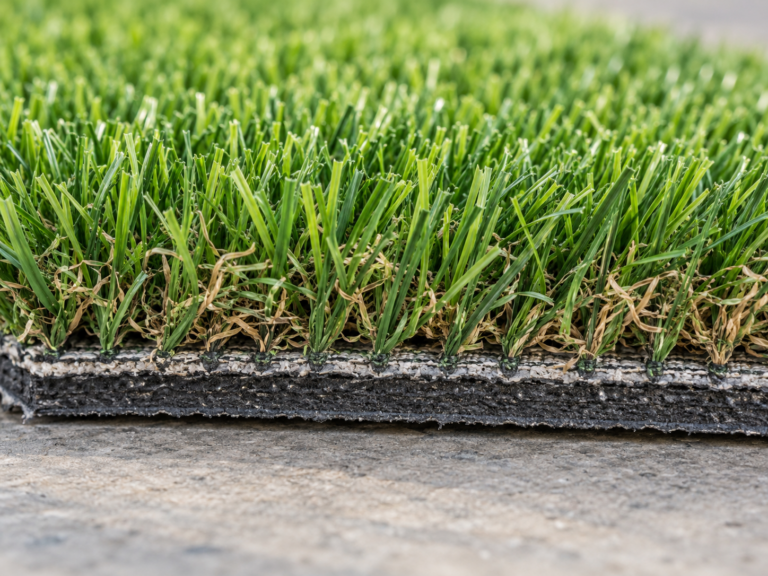
Still, turf colours vary. Some blends are darker and deeper. Others use lighter greens and tan thatch fibres. If summer heat is an important concern for a sunny Sidney yard, compare colour blends as part of the selection process.
Look at samples outdoors instead of judging them only under indoor lighting. Consider where the turf will sit, when the sun reaches it and what materials surround it.
Heat performance belongs in the same conversation as appearance.
Watch the Windows
A window can do something the open summer sky usually cannot: concentrate sunlight onto a very small area.
Reflected sunlight from windows can create localized hot spots on synthetic turf. Depending on the angle of the glass, the sun and the turf, that concentrated energy can damage fibres.
The pattern often gives the problem away. Normal solar warming affects a broad exposed area. Reflected heat may appear in a more specific strip or patch that lines up with a nearby window.
Check for this before turf goes down.
Stand in the yard at different times on sunny days. Look at large windows facing the proposed turf area. Notice whether bright reflections move across the ground as the sun changes position.
Where reflected heat is a concern, possible solutions can include exterior shading, screens, awnings, suitable planting or window treatments. Window products should be chosen with guidance from the window manufacturer or a qualified window professional.
This is an important warranty detail too. Direct or reflected heat over 65°C is excluded from the PGB Limited 15-Year Product Warranty.
A shiny window may look innocent. Physics has other plans.
What UV Stabilizers Actually Do
Sunlight creates another, slower problem: ultraviolet exposure.
UV stabilizers are used in synthetic materials to slow the degradation caused by ultraviolet radiation. In turf fibres, that can help slow colour deterioration and material breakdown from repeated outdoor exposure.
The important word is slow.
UV stabilization does not mean a product can never fade. It does not turn artificial grass into an immortal green object that will puzzle archaeologists.
When comparing turf, check the product specifications rather than relying on broad claims about UV performance. If UV stabilizers are listed on the spec sheet, they are one part of how that turf has been designed for outdoor use.
Sun exposure, use, maintenance and site conditions still matter.
A Green Lawn Without Routine Lawn Watering
Sidney summers can bring stretches when homeowners pay closer attention to outdoor water use.
Artificial turf changes one part of that equation because the lawn itself does not need watering to stay green. It also does not need mowing or fertilizer.
That does not mean water is never used around turf.
Pet areas may need rinsing as part of regular cleaning. A homeowner may choose to rinse the surface briefly on a hot day. Outdoor plants around the turf will still have their own watering needs.
The distinction is simple: you are not watering artificial turf to keep it alive.
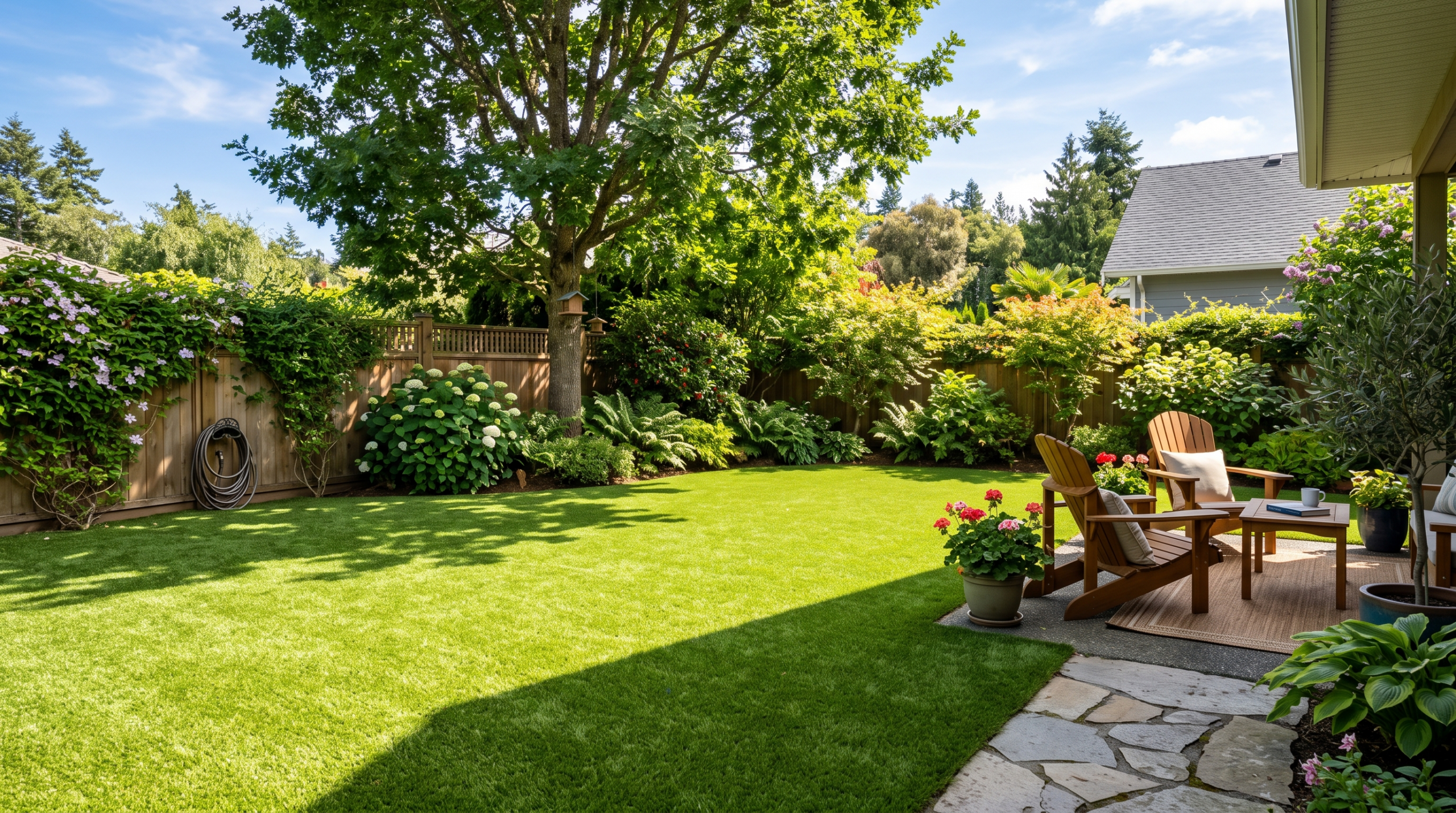
For a Sidney yard, that can make summer maintenance more straightforward while still leaving room for garden beds, trees and other planting around the turf.
Plan for the Yard You Actually Have
There is no single feature that turns artificial grass into “cool turf.”
The useful approach is to look at the whole site.
Notice where afternoon sun lands. Identify reflective windows. Check which areas already have shade. Think about where children or pets spend their time. Compare lighter and darker turf samples outdoors.
Then plan around those conditions.
Artificial turf will warm in direct sun. Shade and timing can make the space easier to use. Rinsing can provide temporary cooling when appropriate. Lighter colours may absorb less solar energy than very dark surfaces. UV stabilizers can slow sunlight-related degradation when they are part of the turf specification.
None of this requires mysterious chemistry or impressive-sounding percentages.
Mostly, it requires paying attention to the sun.
FAQ
Does artificial turf stay cool in summer?
No. Artificial turf warms in direct sunlight. Shade, timing and a temporary rinse can help manage surface heat. Check the surface temperature before children or pets use it on hot days.
Does spraying artificial turf with water cool it?
Yes, rinsing can temporarily cool the surface through evaporation. The cooling effect does not last indefinitely, particularly while the turf remains in direct sun. Check current local watering restrictions before using water outdoors.
Can sunlight reflected from a window damage artificial turf?
Yes. Concentrated reflected sunlight can create localized heat that damages synthetic turf fibres. Check nearby windows and reflective surfaces during the planning stage. Direct or reflected heat over 65°C is excluded from the PGB Limited 15-Year Product Warranty.
Do UV stabilizers mean artificial turf will never fade?
No. UV stabilizers are intended to slow degradation from ultraviolet exposure. They should not be treated as a promise that colour will never change.
For help choosing turf for a sunny Sidney property, call Premium Grass Blades at 604-757-2899 to talk through your project.