What Is Synthetic Grass and What Makes It Beneficial?
What is synthetic grass? At its simplest, it is a manufactured surface designed to give you the look and function of a lawn without actually being a lawn.
There are no roots. No soil is required for the grass itself. And, perhaps most significantly for anyone who has spent a Saturday following a lawn mower around in increasingly resentful circles, it does not grow.
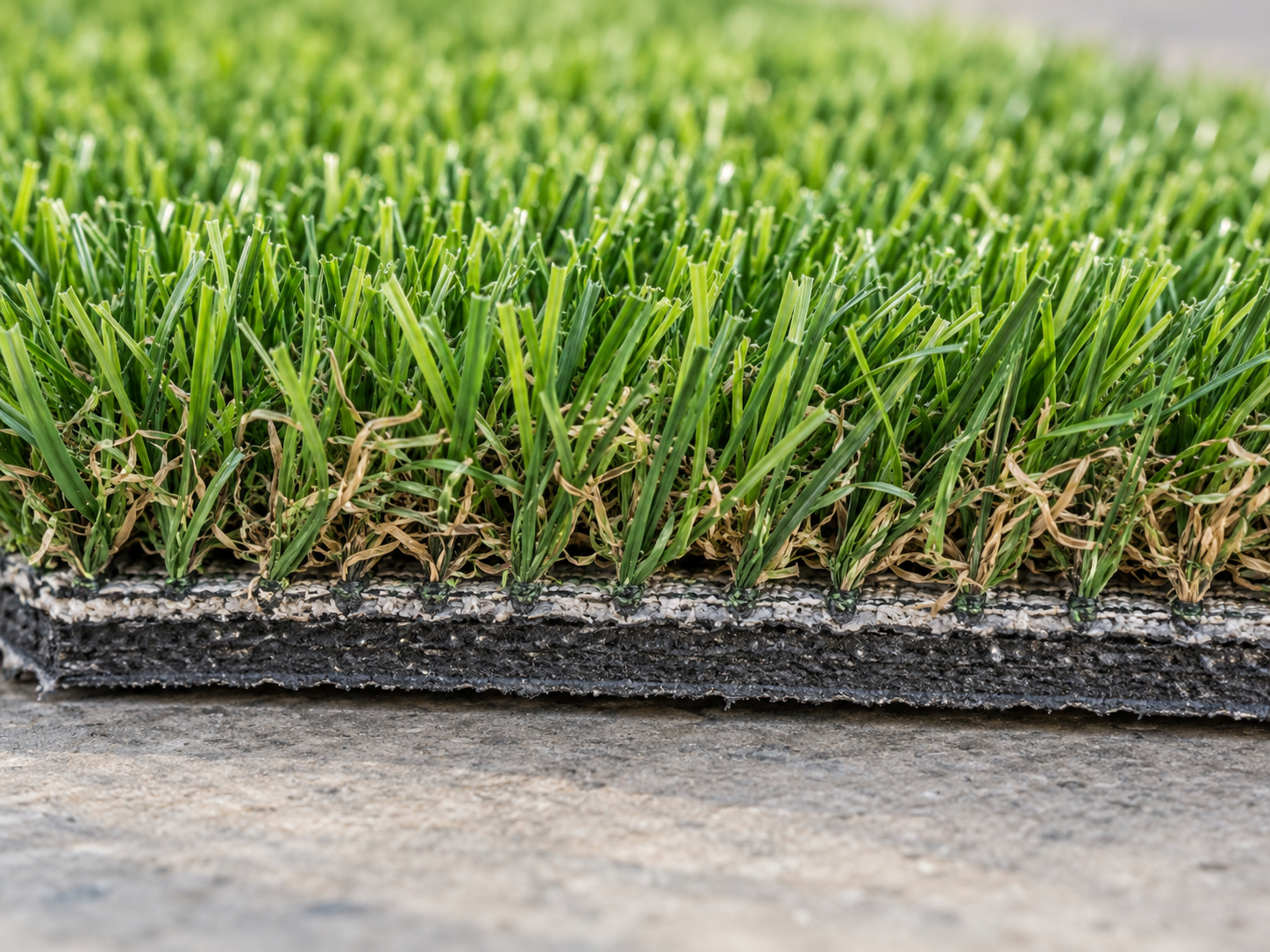
Synthetic grass, also commonly called artificial turf or artificial grass, uses manufactured fibres to create the blades you see above the surface. Those fibres are attached to a backing that holds the turf together.
The result looks straightforward. Underneath, there is considerably more going on.
What Is Synthetic Grass Made Of?
A piece of synthetic grass is a bit like a carpet designed for a much harder life.
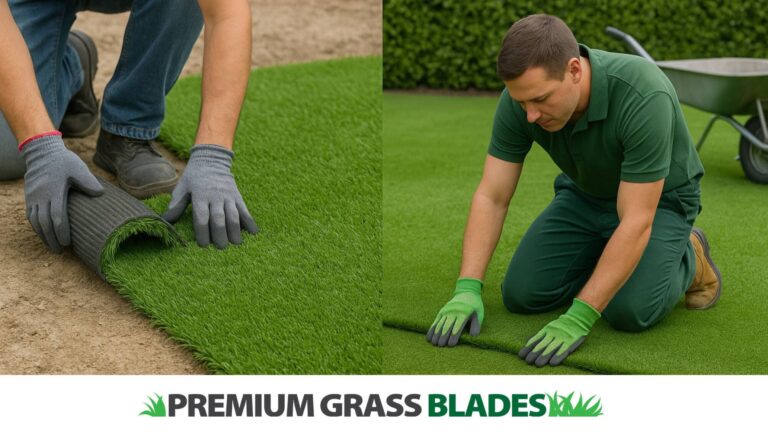
The visible part consists of fibres shaped and arranged to resemble grass blades. These fibres are secured into backing material, creating a roll of turf that can be cut and fitted to the dimensions of a project.
Depending on the project, infill may be worked between the fibres after the turf is laid. The complete system also depends on what sits beneath the turf. Base preparation and drainage matter because water still needs somewhere sensible to go. Artificial grass may not be alive, but gravity remains stubbornly committed to its duties.
This is why choosing turf involves more than pointing at the greenest sample.
Pile height, face weight, density, backing and the intended use of the area can all influence which product makes sense. A quiet front yard and a dog run, for example, do not necessarily ask the same things of a surface.
PGB carries an artificial turf range for different residential and landscaping applications. Seeing and handling samples can be useful because differences in fibre height, density and feel are much easier to understand when they are sitting in front of you rather than glowing heroically on a computer screen.
Why Doesn’t Synthetic Grass Need Mowing or Watering?
Natural grass is a living plant. It grows, which is charming until you remember that growing means cutting it repeatedly.
It also needs water to support that growth. Synthetic grass does neither.
You do not need to mow it because the fibres remain the same height. You do not need to water it to keep the fibres alive because, rather decisively, they were never alive in the first place.
That can make artificial turf useful for homeowners who want a consistently usable lawn area without organising part of their week around mowing.
It can also help during watering restrictions because the turf itself does not need irrigation. Any current watering rules for surrounding plants, gardens or other parts of your property should still be checked with your municipality.
There is a small but important distinction here. Not needing water to grow does not mean turf should never see a hose. Pet areas, spills or dusty surfaces may need occasional rinsing as part of normal care.
Less Lawn Work Does Not Mean No Turf Care
Artificial turf requires far less routine upkeep than a natural lawn, but it should not be described as maintenance-free.
Leaves still fall on it. Dogs remain dogs. Mud can arrive on shoes with remarkable determination. Fibres in busy areas may flatten over time.
Normal care can include removing leaves and debris, occasional rinsing and brushing fibres when needed. Pet areas deserve particular attention because regular cleanup and rinsing help keep the area pleasant to use.
Infill may also need attention depending on use and conditions.
The advantage is that the familiar cycle of mowing, watering and fertilizing the lawn disappears. What replaces it is a simpler maintenance routine focused mainly on keeping the surface clean and the fibres looking their best.
It is less like caring for a plant and more like looking after an outdoor surface, which, conveniently, is exactly what it is.
Synthetic Grass for Kids, Pets and Busy Backyards
A lawn can be decorative, but most backyards have other ideas.
Children run across them. Dogs patrol them with the seriousness of border officials. Chairs get moved. Balls bounce. People take the same shortcut from the patio to the gate approximately 4,000 times because human beings are remarkably consistent creatures.
Synthetic turf is built for long-term outdoor use and can suit areas that see regular family and pet activity. Choosing the right turf for the amount and type of traffic is important.
Pet yards have their own considerations. Drainage, regular waste removal, rinsing and suitable infill choices can all affect how manageable the area is over time.
For children’s areas, plan for how the space will actually be used. Turf warms up in direct sunlight, so provide shade where practical, supervise children and pets on hot days, and check the surface temperature before use.
The goal is not to pretend a backyard stops requiring attention. It is to choose a surface that fits the way the backyard really behaves.
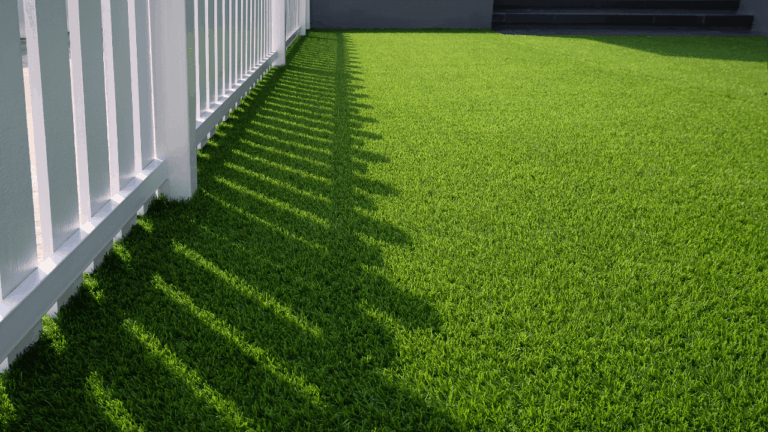
A Consistent Lawn Without Trying to Grow One
British Columbia is very good at growing things. Sometimes it is almost suspiciously good at it.
Unfortunately, the thing growing enthusiastically is not always the lawn.
Natural yards can involve mowing, bare spots, muddy traffic routes and seasonal changes. Synthetic grass takes a different approach. Instead of trying to maintain living grass across the entire lawn area, you create a manufactured surface designed to stay in place through regular outdoor use.
That consistency is one of its practical attractions.
It does not mean every synthetic lawn will perform identically. Base preparation, drainage, product selection, infill, installation and ongoing care all matter. A beautiful roll of turf cannot correct a poorly prepared base any more than an expensive rug can repair a collapsing floor.
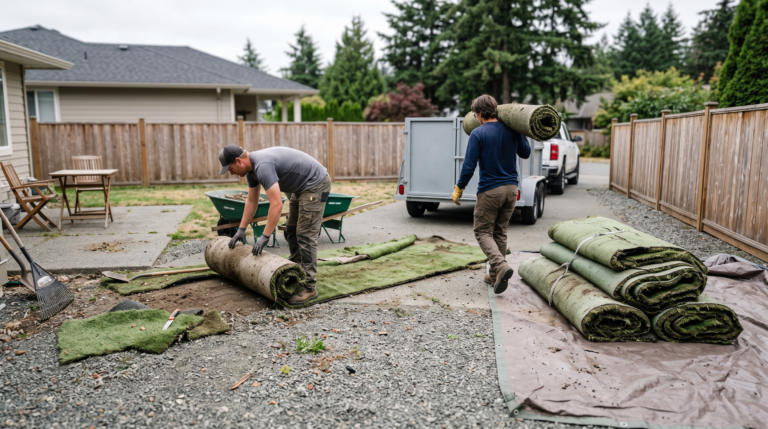
For DIY projects, follow PGB installation guidelines and product instructions, wear appropriate protective gear and contact BC 1 Call before digging. PGB supplies turf and related products and can refer customers to an independent installer when professional help is preferred.
What Should You Look for Before Choosing Synthetic Grass?
Start with the space rather than the product.
Think about how much traffic the area receives, whether pets use it, how water leaves the site and how you want the finished surface to feel. A turf that makes sense beside a quiet patio may not be the first choice for a heavily used dog run.
Samples are helpful here. Look at the fibres up close. Feel the density. Compare the backing. Ask how the product suits the way you intend to use the yard.
Warranty terms deserve the same attention.
Eligible PGB turf is backed by the PGB Limited 15-Year Product Warranty, which is pro-rated. Putting green turf has an 8-year warranty. Coverage depends on the warranty terms, including proper installation, advised infill and maintenance.
Lifespan depends on use, installation and care, so it makes more sense to choose turf around the demands of the project than to chase a promised number of years.
FAQ About Synthetic Grass
Is synthetic grass maintenance-free?
No. It requires less routine upkeep than natural grass, but it still needs occasional debris removal, brushing and rinsing. Pet areas generally need more regular attention.
Does synthetic grass need watering?
It does not need watering to grow. You may still rinse the surface for cleaning, particularly in pet areas or after spills.
Can kids and pets use synthetic grass?
Artificial turf is designed with pets and families in mind, and the appropriate product can handle regular backyard activity. On hot days, provide shade where possible, supervise children and pets, and check the surface temperature before use.
Does PGB install synthetic grass?
No. PGB supplies artificial turf and related products. If you would rather have the project handled professionally, PGB can refer you to an independent installer who contracts with you directly.
Synthetic grass is, in the end, a fairly simple proposition: a lawn-like outdoor surface without the growing part. You trade mowing, watering and fertilizing for occasional cleaning, brushing and surface care. For many BC yards, that can make the weekly relationship with the lawn considerably less complicated.
See and feel turf samples at the Premium Grass Blades showroom in Maple Ridge.