
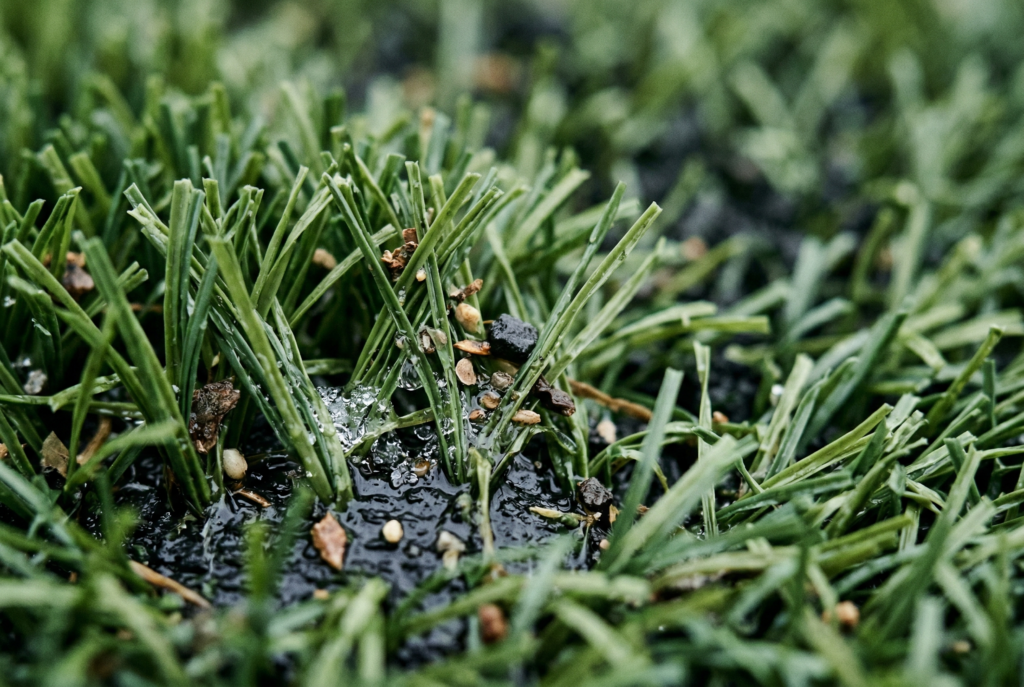
Artificial turf is widely recognized as a clean and low-maintenance alternative to natural grass. However, when homeowners encounter odors, discoloration, or signs of buildup, the turf itself is often blamed. In reality, synthetic turf does not inherently support mold or bacterial growth. These issues are almost always the result of environmental conditions, improper maintenance, or limitations in the installation system.
This article explains why these problems occur, what causes them, and how they can be prevented through proper care and system design.
Can Mold or Bacteria Develop on Artificial Turf?
Artificial turf is manufactured from non-organic materials such as polyethylene and polypropylene. These materials do not provide a natural food source for mold or bacteria.
However, microbial activity can develop within the turf system under certain external conditions. Growth does not originate from the turf fibers themselves but from the surrounding environment within the system, particularly when moisture and organic matter are introduced and allowed to accumulate.
The Synthetic Turf Council confirms that properly installed and maintained turf systems are designed to remain permeable and hygienic, limiting the conditions necessary for microbial growth.
What Causes Mold, Mildew, or Bacterial Issues?
Moisture Retention from Poor Drainage
Artificial turf is designed to allow water to pass through its backing. However, if the base and sub-base are not properly constructed, water can become trapped within the system. Persistent moisture creates an environment where mold and mildew can develop, particularly in shaded or low-evaporation areas.
Research from Penn State Extension emphasizes that moisture combined with organic material significantly increases the likelihood of microbial growth on outdoor surfaces.
Accumulation of Organic Debris
Debris such as leaves, dust, pollen, and pet waste can settle into the turf over time. As this material decomposes, it introduces organic matter into the system, which serves as a food source for bacteria and fungi. This process often leads to odors and visible buildup, which are commonly misattributed to turf failure.
Pet Use Without Adequate Maintenance
In pet environments, urine introduces ammonia and bacteria into the infill layer. Without regular rinsing, these compounds can bind to the infill and create persistent odors. This is not a defect in the turf, but rather a maintenance issue within the system.
Limited Sunlight and Airflow
Areas with restricted sunlight or airflow tend to retain moisture for longer periods. These conditions slow the drying process and increase humidity within the turf system, making mildew more likely to form. This is commonly observed in enclosed yards, along fence lines, or beneath structures.
Field Insight from Installation Experience
In high-humidity or shaded installations, reports of “moldy turf” are not uncommon. Upon inspection, the turf fibers typically remain unaffected. The issue is almost always found within the infill layer, where moisture and organic debris have accumulated over time.
These situations are consistently linked to:
• Inadequate drainage design
• Lack of routine cleaning or rinsing
• Environmental conditions that limit drying
Once these factors are corrected, the issue resolves without the need for turf replacement.
How to Prevent Mold and Bacteria in Artificial Turf
Preventive maintenance and proper system design are essential for maintaining a clean, hygienic surface.
Key practices include:
- Ensuring proper drainage through correct base preparation and grading
• Removing organic debris on a consistent basis to prevent buildup
• Rinsing the turf periodically, especially in pet-use areas
• Selecting appropriate infill materials such as zeolite for odor control
• Promoting airflow and sunlight exposure where possible
Guidance from the University of California Agriculture and Natural Resources supports routine debris removal and surface sanitation to reduce microbial risks in outdoor environments.
Key Takeaway
Artificial turf does not inherently grow mold or bacteria. These issues arise from external factors such as moisture retention, accumulation of organic material, and insufficient maintenance.
When properly installed and maintained, artificial turf remains a clean, durable, and hygienic surface. Any signs of odor or microbial activity should be understood as environmental indicators, not product defects.