Artificial Turf for Daycares: A Practical Planning Guide
A daycare yard has a busy job.
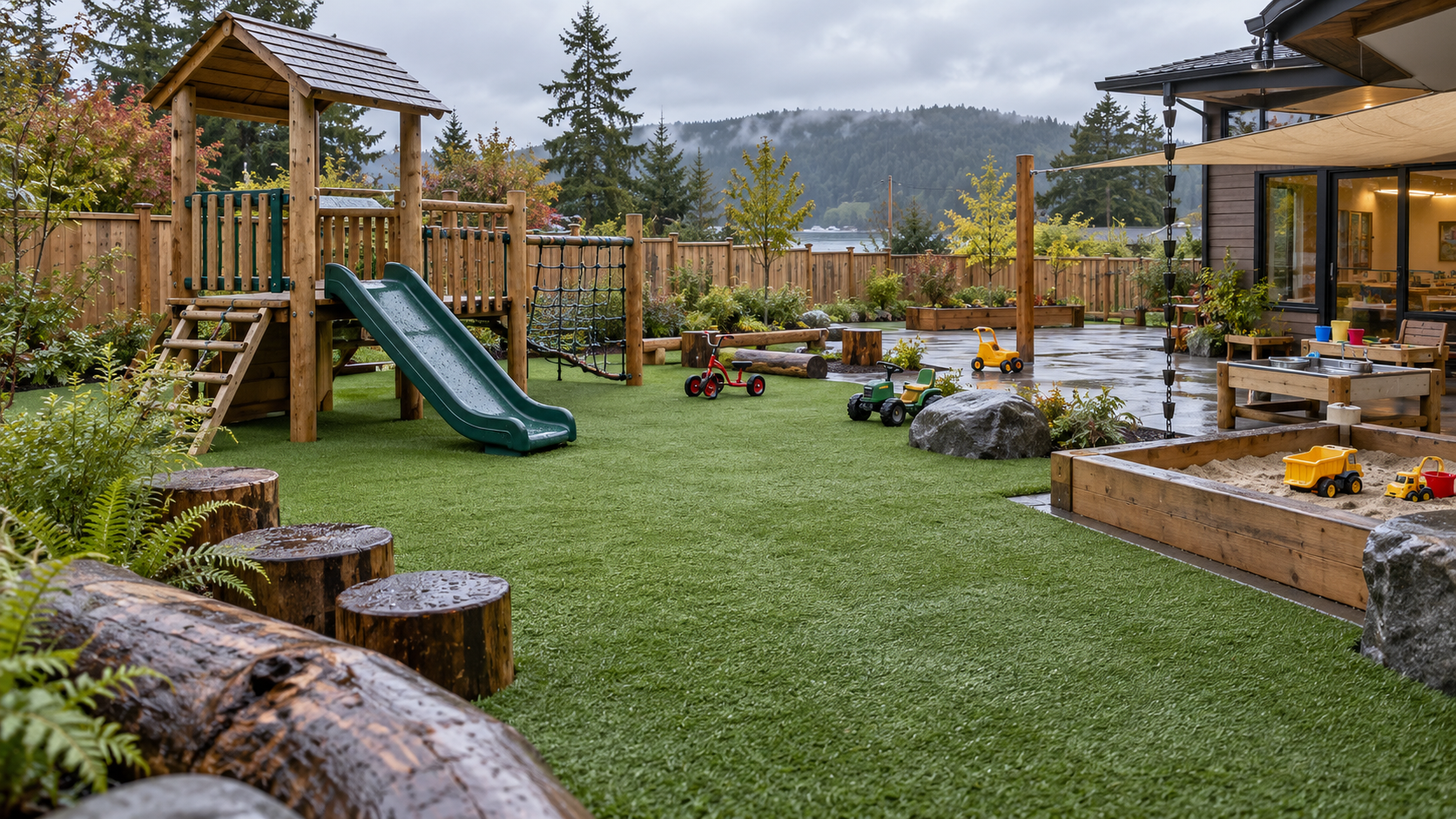
It needs to handle outdoor play, rainy mornings, snack crumbs, leaves, little shoes and a schedule that rarely leaves much time for lawn care. In British Columbia, wet weather adds another consideration: what happens to the outdoor area after a good stretch of rain?
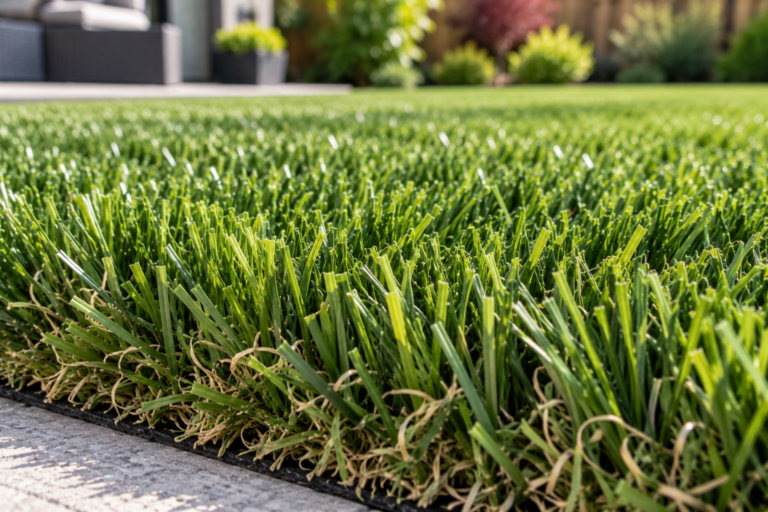
That is why artificial turf for daycares can be worth considering. It does not need mowing, watering or fertilizer, and with the right base and drainage design, it can provide a practical outdoor surface through our wet seasons.
The important part is planning the whole play area, not simply choosing a roll of turf.
Why Artificial Turf for Daycares Can Make Sense
Natural grass and a busy childcare yard do not always have compatible schedules.
Repeated foot traffic can leave natural lawn areas worn or muddy, especially during wet months. Once soil becomes saturated, children can carry that mud indoors on shoes and clothing.
Artificial turf changes that daily routine. There is no exposed soil beneath little feet, so normal play on the turf does not turn the surface into mud.
A properly prepared base and drainage system also allows rainwater to move away from the surface. That can help the area dry after wet weather instead of leaving staff waiting for a muddy lawn to recover.
Drainage depends on more than the turf itself. Base preparation, grading and drainage design all matter. If water has nowhere to go underneath the turf, the surface material cannot solve the problem on its own.
Less Lawn Work for a Busy Facility
Childcare staff already have plenty to manage. Adding mowing, fertilizing and lawn watering to the list may not be the best use of anyone’s Tuesday afternoon.
Artificial turf does not need mowing, watering or fertilizer. It also does not require pesticides to maintain a grass lawn.
It does still need care.
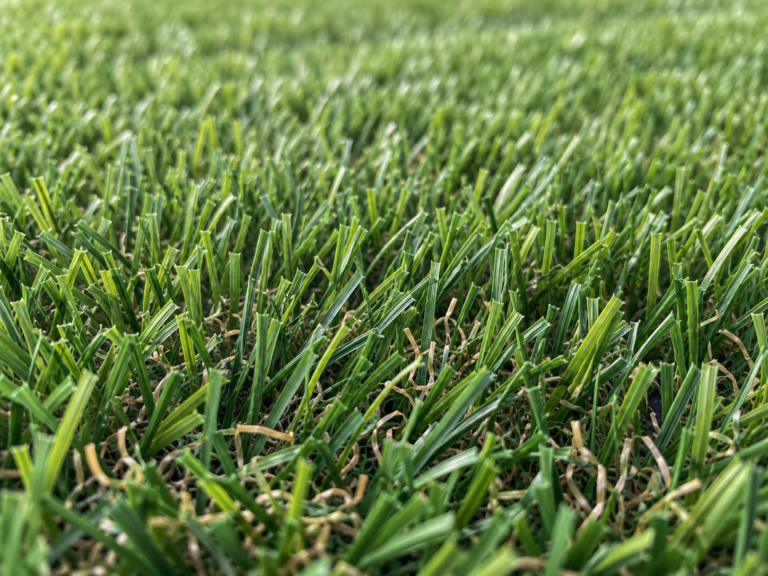
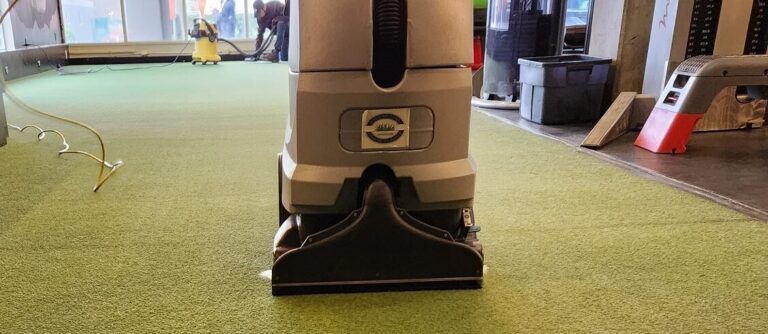
Leaves, twigs and other debris should be removed. High-use areas may need occasional brushing to help keep the fibres upright. Spills and everyday messes should be dealt with promptly, using products appropriate for the turf and following product instructions.
The distinction is useful: artificial turf is low maintenance, not maintenance-free.
For a daycare, it is worth creating a simple maintenance routine rather than waiting until the play area looks tired. Staff can include quick surface checks alongside their existing outdoor-area routines.
Start With Drainage and the Base
A daycare turf project should be planned from the ground up.
The base beneath artificial turf affects how the finished area drains and performs. Site conditions also vary. A flat enclosed yard may need a different approach from a sloped play space or an area beside a building.
Before work begins, look at where rain currently collects and where water is supposed to travel.
An independent installer can assess the site and plan the base, grading, edges and drainage around the actual conditions of the property. PGB supplies artificial turf and related products and can refer customers to an independent installer.
For more detail on why the layers underneath turf matter, see PGB’s guide to artificial turf base preparation.
Consider a Foam Pad for Comfort
Some daycare projects may benefit from adding a foam turf pad beneath the artificial turf.
PGB’s turf pad is a foam underlay designed to create a softer feel beneath the finished surface. It can be considered for areas where children spend time sitting and playing close to the ground.
A foam pad, however, should not automatically be treated as compliant fall-protection surfacing for playground equipment.
That distinction matters.
If the outdoor area includes climbing structures, slides or other equipment with fall zones, check the current CSA Z614 requirements, the equipment manufacturer’s instructions and the requirements that apply to your licensed childcare facility before selecting the surfacing system.
The turf, underlay and supporting layers need to be considered as a complete system for the intended use.
Play Equipment Needs Its Own Planning
A large open turf area and the space underneath elevated play equipment are not necessarily the same surfacing project.
BC childcare guidance includes requirements for outdoor play areas and equipment, and provincial design guidance addresses protective surfacing beneath and around play equipment.
For that reason, do not assume that artificial turf by itself satisfies the requirements for a fall zone.
Before choosing materials for these areas, check the current version of CSA Z614, the play equipment manufacturer’s requirements and the licensing requirements that apply to your facility. Your licensing contact or an appropriately qualified playground professional can help determine what is required for the specific equipment and site.
This is one part of the project where checking first can prevent an expensive change later.
Plan for Real Daycare Use
A good daycare yard is designed around what actually happens there.
Think about the routes children take from the door to the play area. Look at spots where groups gather, where outdoor toys are stored and where leaves tend to collect. Consider access for cleaning and how water moves through the property during heavy rain.
Shade deserves attention too.
Artificial turf warms up in direct sunlight. On hot days, provide shade where practical, supervise children and check the surface temperature before use. Rinsing can temporarily cool the surface.
Also look at nearby windows. Concentrated sunlight reflected from windows can damage synthetic turf. Direct or reflected heat over 65°C is excluded from the PGB Limited 15-Year Product Warranty.
These details are easier to address during planning than after the yard is finished.
Choose Turf as Part of the Whole Project
There is no need to choose daycare turf based on a single feature.
Start with how the space will be used. Consider foot traffic, drainage, cleaning routines, shade, play equipment and the condition of the existing site.
Then compare suitable turf options and decide whether a foam underlay makes sense for particular areas.
PGB can help daycare operators and project planners compare artificial turf options and related materials. PGB supplies the products rather than performing the installation, and can refer you to an independent installer who contracts with you directly.
That keeps the conversation practical: the right turf, a properly planned site and an outdoor area designed around the people who use it every day.
FAQ About Artificial Turf for Daycares
Does artificial turf stay usable after rain?
A properly prepared base and drainage system can help water move away from the turf so the surface dries after rain without becoming a muddy lawn. Actual drainage performance depends on the site, grading, base preparation and drainage design.
Does daycare turf need maintenance?
Yes. Artificial turf is low maintenance, not maintenance-free. Plan for debris removal, occasional brushing and cleaning as needed.
Can a foam pad be placed under daycare turf?
Yes. PGB offers a foam turf pad that can provide a softer feel beneath artificial turf. Do not assume a foam pad and turf automatically meet fall-zone requirements under play equipment. Check current CSA Z614, equipment manufacturer and childcare licensing requirements for the specific project.
Does PGB install artificial turf at daycares?
No. PGB supplies artificial turf, foam turf pad and related products. PGB can refer you to an independent installer, who contracts with you directly.
A daycare yard has to work on ordinary days, rainy days and the especially busy days when nobody has spare time for lawn chores. If you are planning a childcare outdoor area, call PGB at 604-757-2899 to talk through your project.