How to Choose the Right Artificial Turf Supplier
Artificial turf looks simple.
Green roll. Green yard. Done.
Except the roll is only one decision.
The better question is who you are buying it from.
A good artificial turf supplier should help you understand what you are buying, why one turf might suit your project better than another, and what you need to think about before anything gets cut.
Because choosing turf from a photo is easy.
Choosing turf that makes sense for your yard, dog run, play area or putting space takes a little more thought.
An Artificial Turf Supplier Should Give You Choices
There is no single turf that makes sense everywhere.
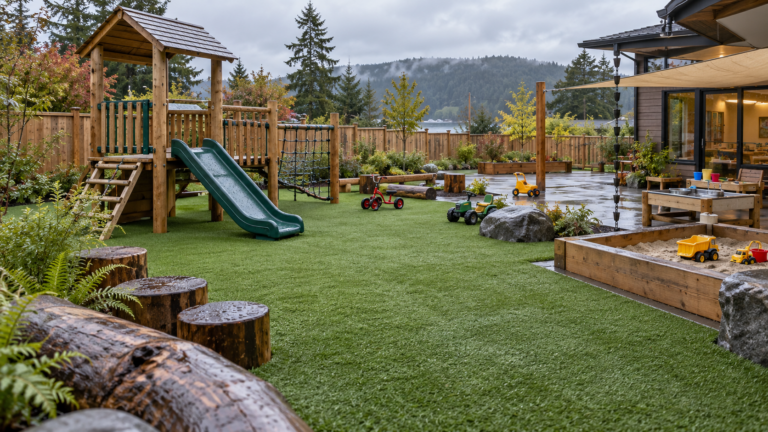
A quiet front lawn has different demands from a backyard with two dogs.
A narrow side yard is different from a family play space.
A putting green is another category entirely.
That is why product choice matters.
A specialty supplier can carry different pile heights, densities, blade styles and turf types so you can compare them side by side.
That comparison is useful.
Feel the fibres.
Look at the colour in natural light.
See how dense the turf feels under your hand.
Ask what is commonly selected for pets, foot traffic or a particular appearance.
Specifications matter too.
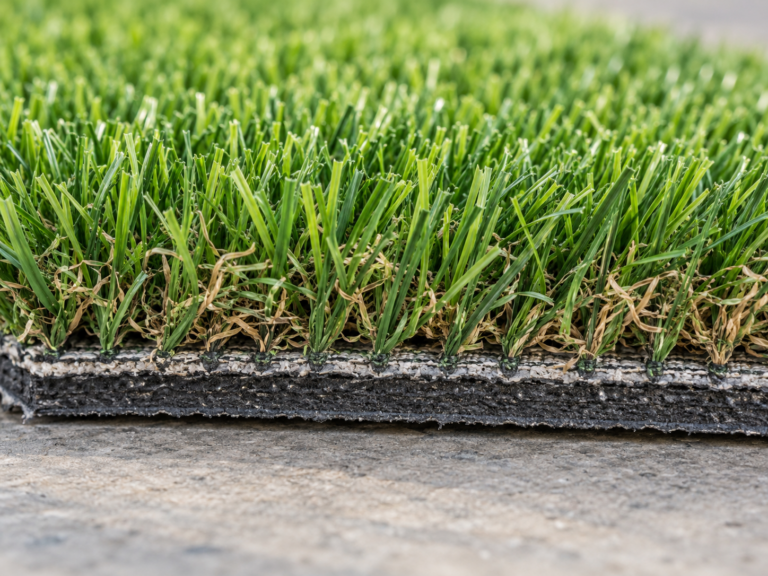
Face weight, pile height, backing and other details can tell you more than a photograph ever will.
If those terms sound like another language, our guide to understanding artificial turf specifications explains what to look for.
The goal is not to find the turf with the biggest number.
It is to find the right combination for the project.
The Yarn Matters
Artificial turf fibres are commonly made from materials such as polyethylene, polypropylene and nylon.
Those names are not especially exciting.
Their differences are.
Polyethylene is commonly used for landscape turf because it can provide a grass-like feel and appearance.
Polypropylene has different performance characteristics and may be used in turf components or particular applications.
Nylon is firmer and is used in certain specialized turf products, including some putting surfaces.
The material is only part of the story.
Blade shape, density, pile height, backing, infill and how the area will be used all matter too.
This is where talking to someone who works with turf every day becomes useful.
You should be able to describe your project in normal language.
“My dog runs this path constantly.”
“The kids use this part of the yard.”
“I want a putting area.”
“I prefer shorter grass.”
Those details help narrow the choices.
A specification sheet should support that conversation.
It should not replace it.
Think About Tomorrow’s Matching Problem
Here is a detail people rarely think about while planning a new yard.
What happens if you need more turf later?
Maybe the project grows.
Maybe another section of the property gets converted.
Maybe you need material for a repair.
Turf can vary between products and production batches.
Colour, texture and other visual details may not be identical.
That means future matching deserves some thought before the first purchase.
Buying from an established product line gives you a clear record of what you purchased.
Keep the product name and your purchase information.
If you return later, that information gives the supplier a much better starting point for checking what is available.
It does not guarantee a perfect future match.
It makes the conversation much easier.
A tiny bit of paperwork today can save a surprisingly large amount of staring at two pieces of green turf later.
DIY Buyers Still Need Support
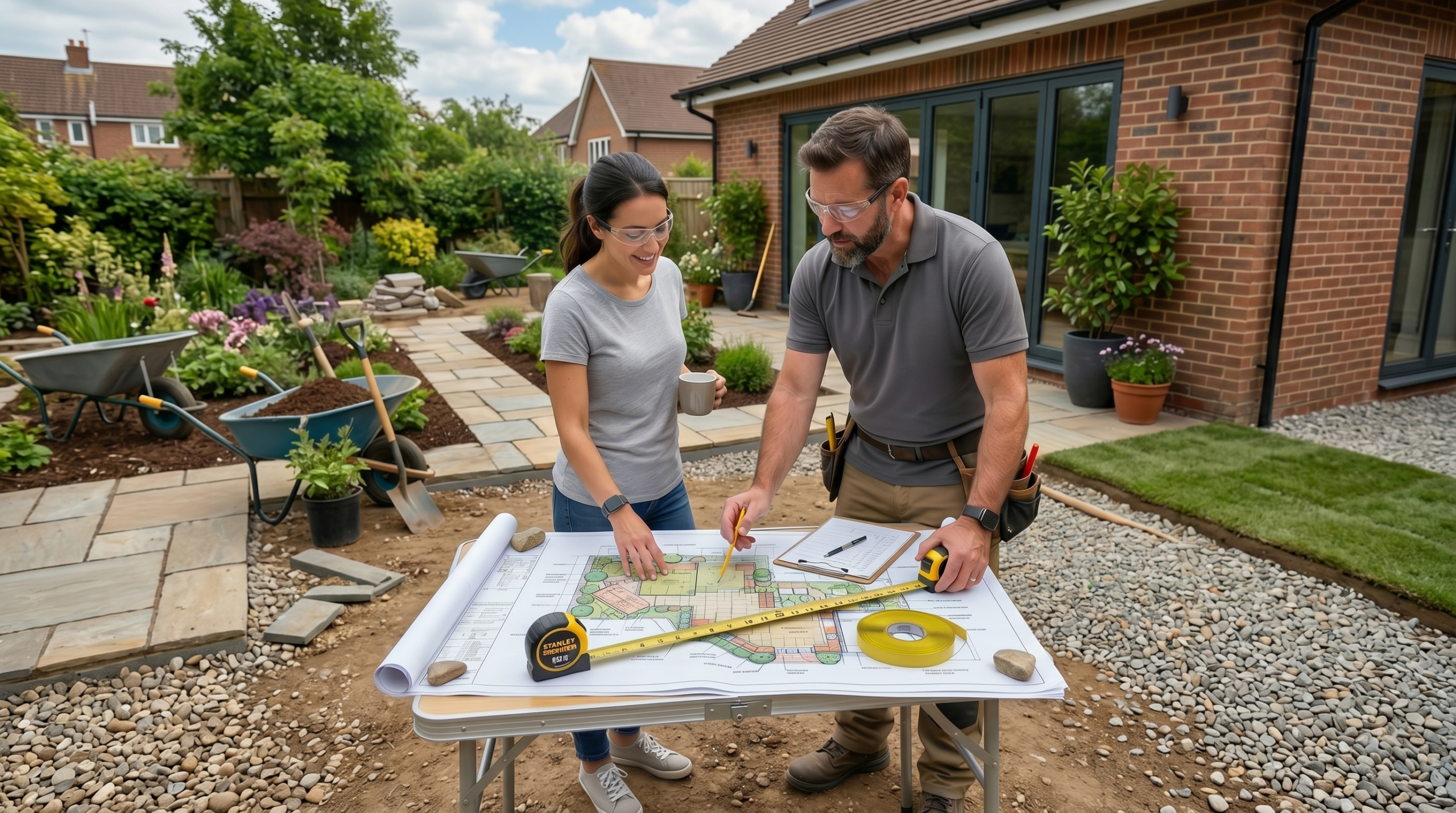
Doing the project yourself does not mean figuring out every detail yourself.
In fact, DIY buyers often have more questions.
How should the area be measured?
How should the rolls be planned?
Where might seams fall?
What accessories are required?
How much infill is advised?
What does the base need?
These questions should happen before the turf is cut.
PGB supplies turf and installation accessories to homeowners who want to tackle their own projects.
We can help you understand product options and the materials involved.
For the physical work, follow PGB installation guidelines and individual product instructions.
Contact BC 1 Call before digging.
Wear appropriate protective gear.
And do not treat the base as the boring part you can rush through.
The finished turf can only follow what is underneath it.
If DIY stops sounding like your idea of a pleasant weekend, PGB can also refer you to an independent installer who contracts with you directly.
PGB supplies the materials.
The independent installer handles their installation work.
Clear roles make for clearer projects.
Read the Warranty Before You Buy
A warranty should not be something you discover six months after buying turf.
Read it first.
Look at what is covered.
Then look at what is excluded.
Those two sections belong together.
PGB landscape turf is backed by the PGB Limited 15-Year Product Warranty, which is pro-rated and subject to its terms and exclusions.
Putting green turf has different warranty terms.
Installation and maintenance matter as well.
Installs that do not follow PGB guidelines, or turf that is not infilled to the advised amount, may not be covered.
That is another reason to discuss the complete project rather than treating turf as a standalone purchase.
The roll matters.
So does what happens before and after it reaches your yard.
Price Is One Line on the Decision
Comparing prices makes sense.
Just make sure you are comparing more than the number beside the product.
Look at the turf specifications.
Compare the yarn and construction.
Consider the intended use.
Read the warranty.
Ask what support is available for planning and DIY projects.
Find out whether there are several turf options you can compare.
None of these questions are complicated.
But together, they tell you much more about what you are actually buying.
A lower or higher price by itself cannot do that.
Buy the Advice With the Turf
Artificial turf is physical material.
You can touch it.
Measure it.
Roll it out.
But part of a good purchase is information.
Which product suits this space?
What should I know before ordering?
What materials will my project require?
What does the warranty actually say?
What should I keep on file in case I need more turf later?
A useful artificial turf supplier should be ready for those questions.
Because you are not simply choosing something green.
You are choosing a product for a specific place, with specific people, pets and uses attached to it.
That deserves more than a guess.
See and feel turf samples at the PGB Maple Ridge showroom and compare your options in person.